The Stones of Venice, Volume II, "The Nature of Gothic", 1853 — John Ruskin

Men were not intended to work with the accuracy of tools, to be precise and perfect in all their actions. If you will have that precision out of them, and make their fingers measure degrees like cog-wheels, and their arms strike curves like compasses, you must unhumanize them.
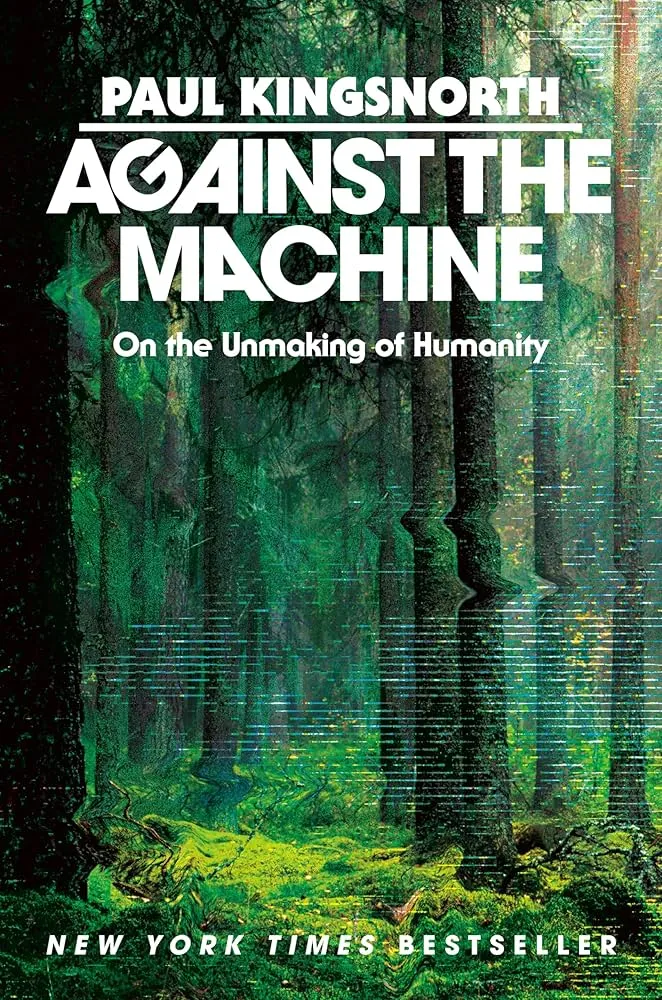

Against the Machine, 2025 — Paul Kingsnorth

91EdEQbTjHL._AC_UF1000,1000_QL80_ (opens in a new tab)

There is a price to be paid for fabricating around us a society which is as artificial and mechanised as our own, and this is that we can exist in it only on condition that we adapt ourselves to it.

This is our punishment.

WIXIW, 2012 — Liars

WIXIW on Spotify

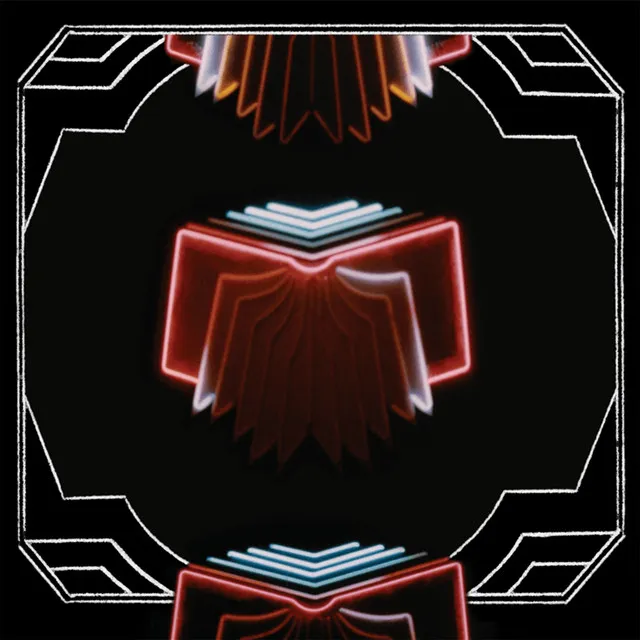
Neon Bible, 2007 — Arcade Fire

Neon Bible on Spotify

I know a time is coming
All words will lose their meaning
Please show me something that isn’t mine
But mine is the only kind that I relate to

Le miroir casse,
The mirror casts mon reflet partout
Black mirror, black mirror, black mirror

The black mirror knows no reflection
It knows not pride or vanity
It cares not about your dreams
It cares not for your pyramid schemes

Their names are never spoken
The curse is never broken

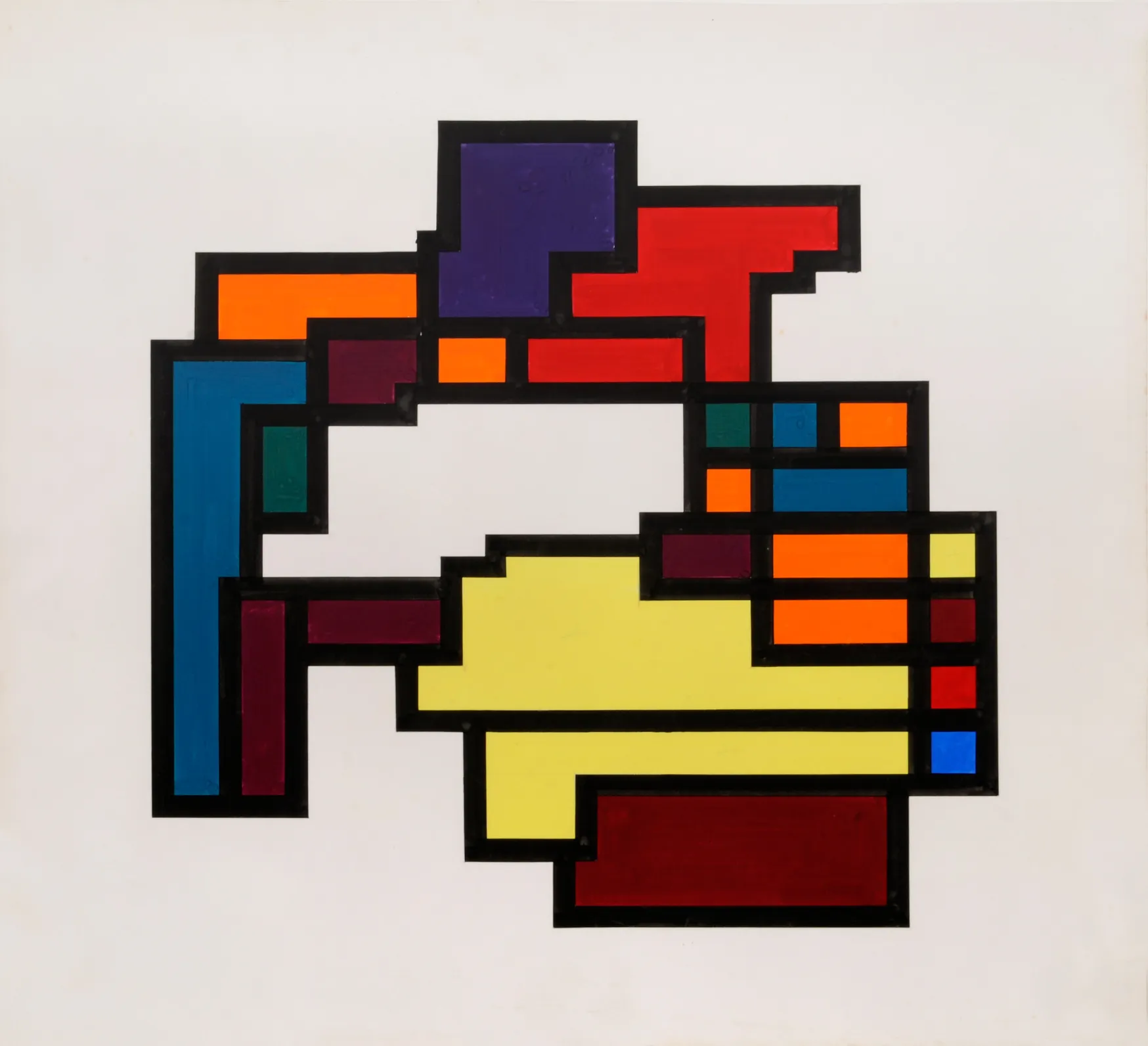
KD 27, from the series Artificial Mondrian, 1969 — Hiroshi Kawano

hiroshi-kawano-kd-27-1 (opens in a new tab)

Gouache painting of a design computed with Markov chains, from Kawano’s Artificial Mondrian series.

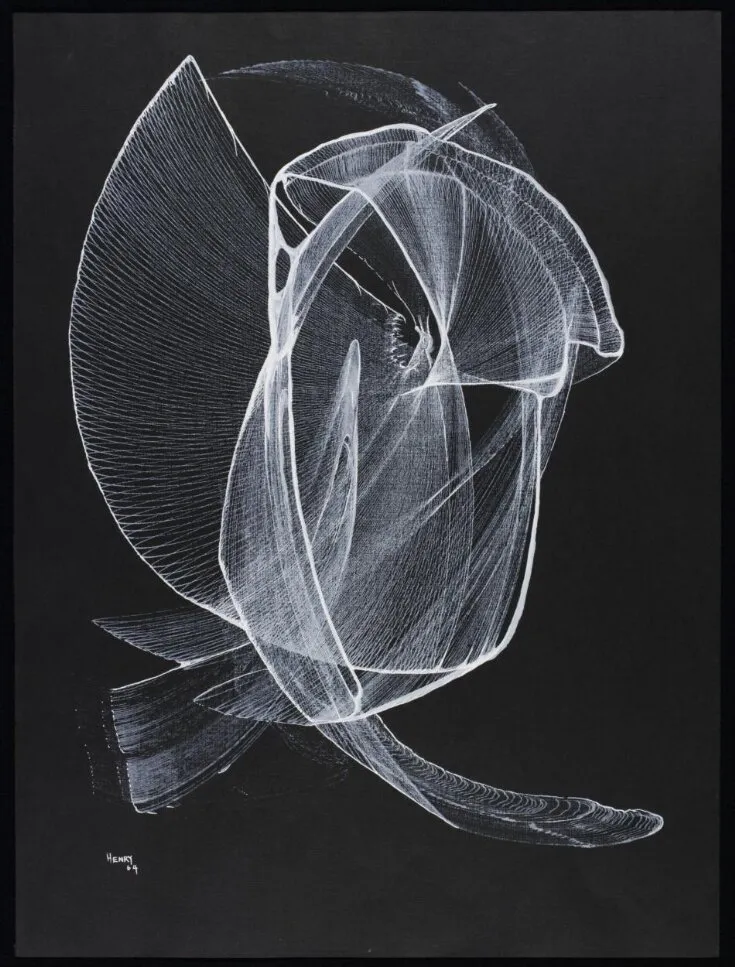
Untitled, 1964 — Desmond Paul Henry

desmond-paul-henry-untitled-1964-1 (opens in a new tab)

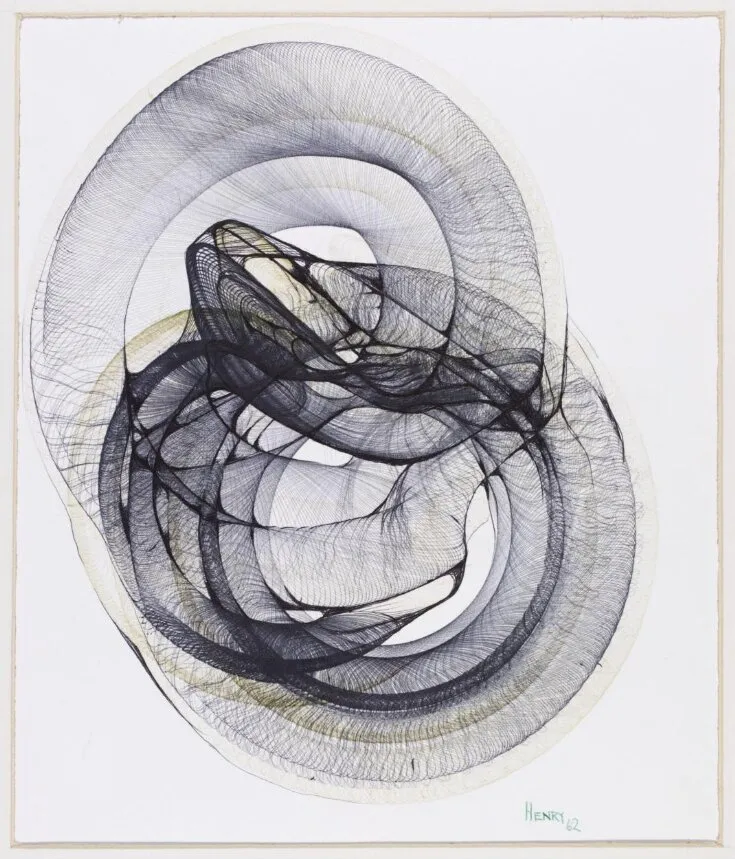
Serpent, 1962 (opens in a new tab)

Desmond Paul Henry made this 1964 pen and ink drawing with an electro-mechanical drawing machine built from bombsight computer parts.

remix.01 — Hiro Ichikawa

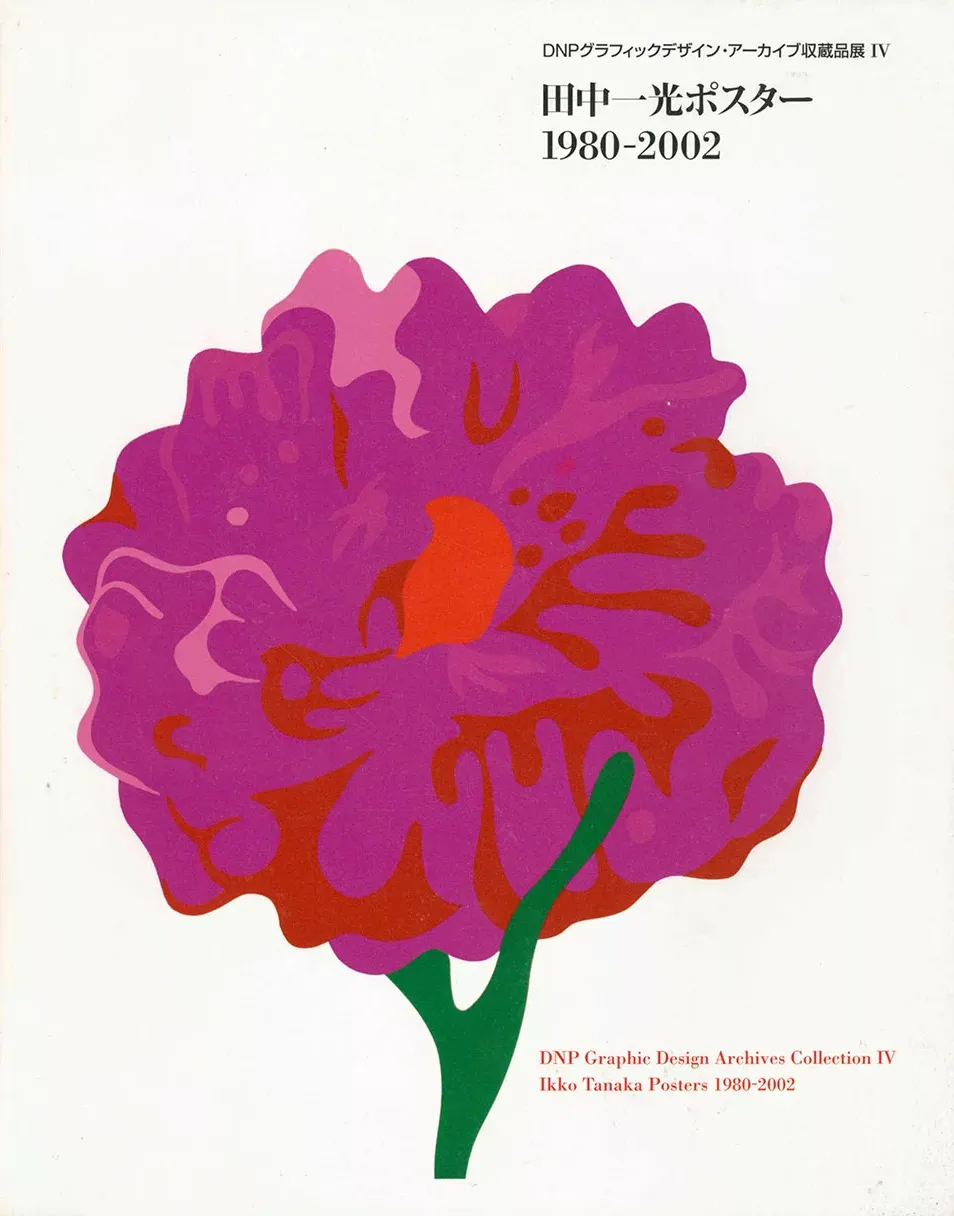
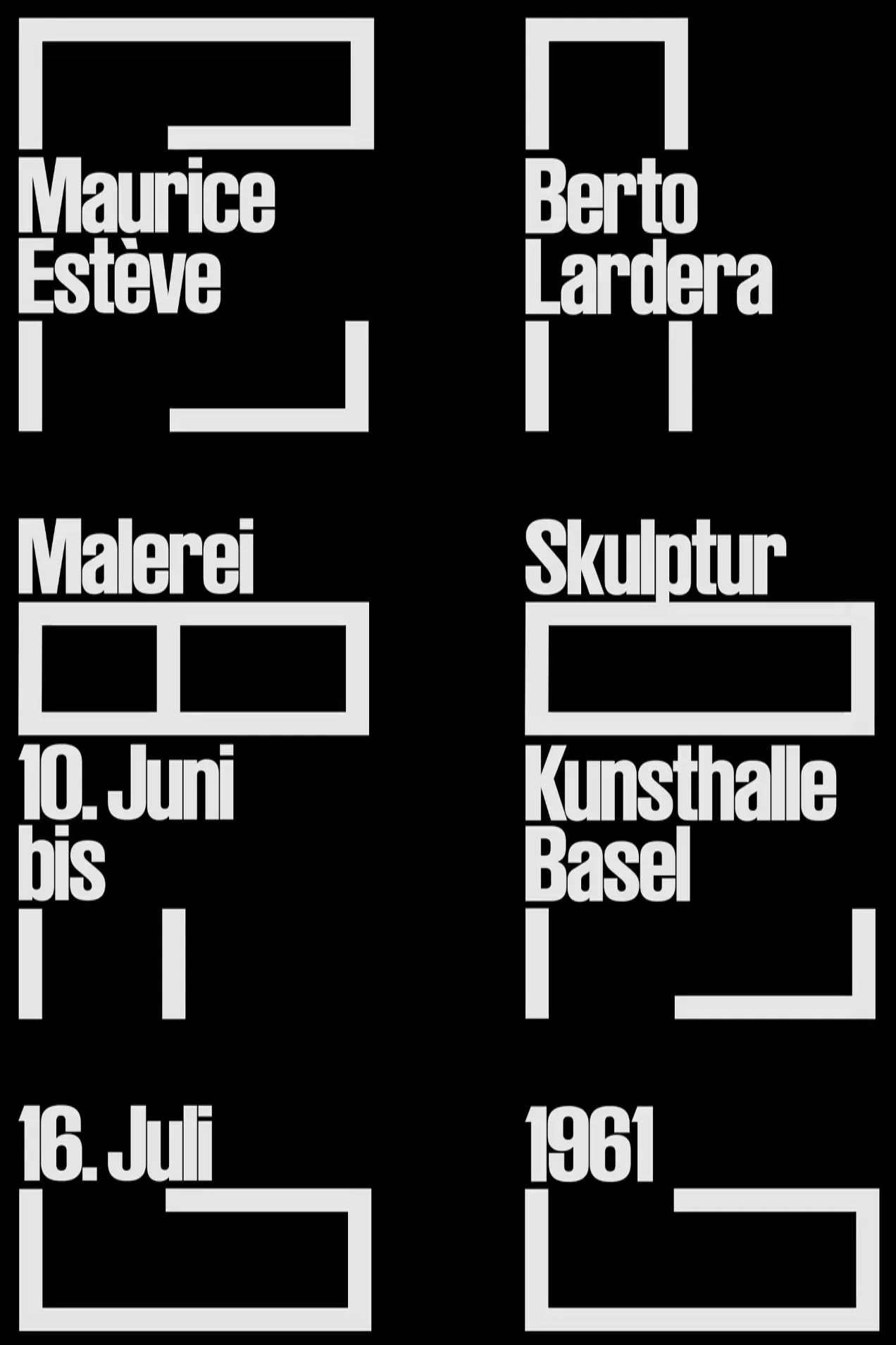
Ikko Tanaka Posters 1980-2002, DNP Graphic Design Archive Exhibition IV, 2012 — Ikko Tanaka

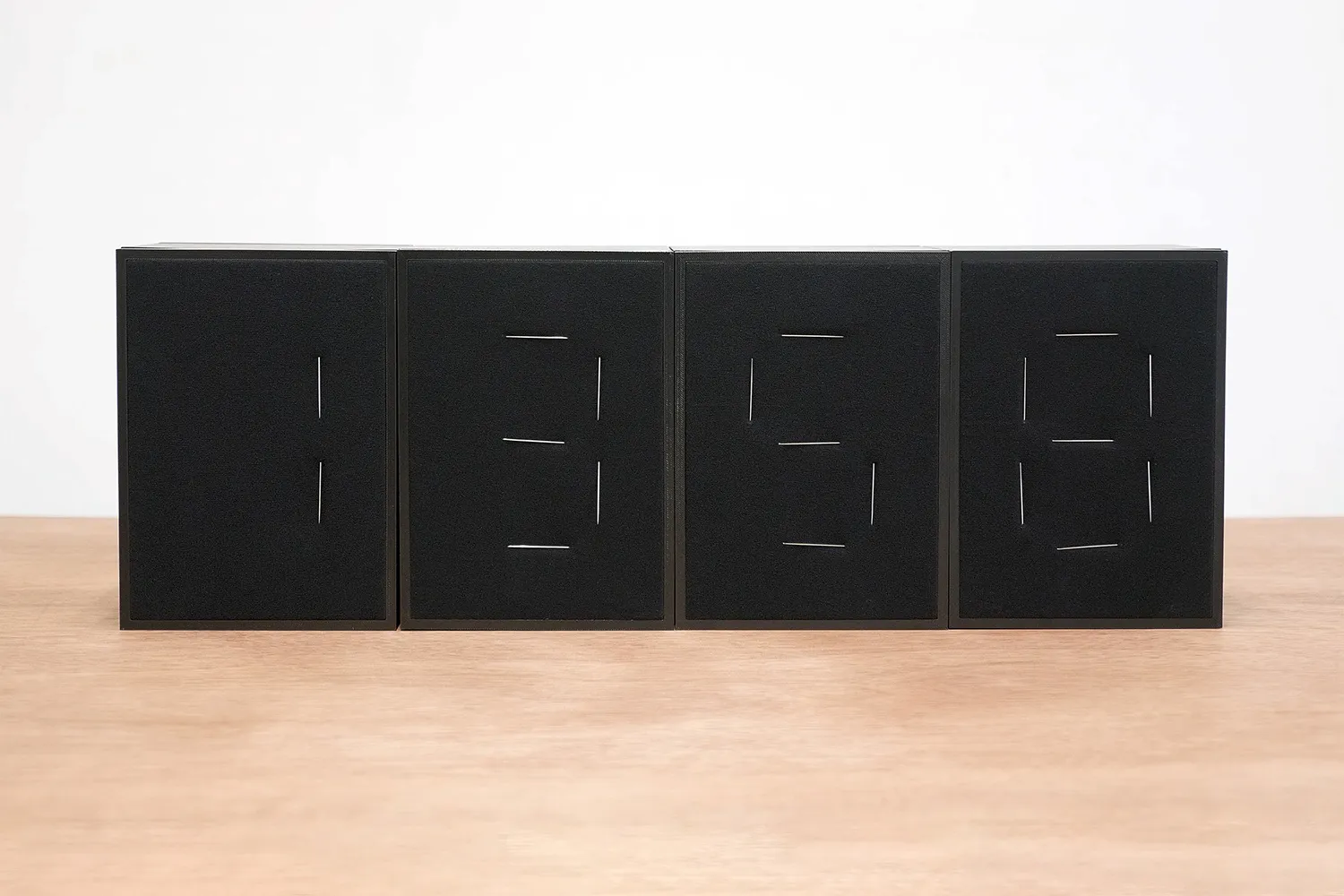
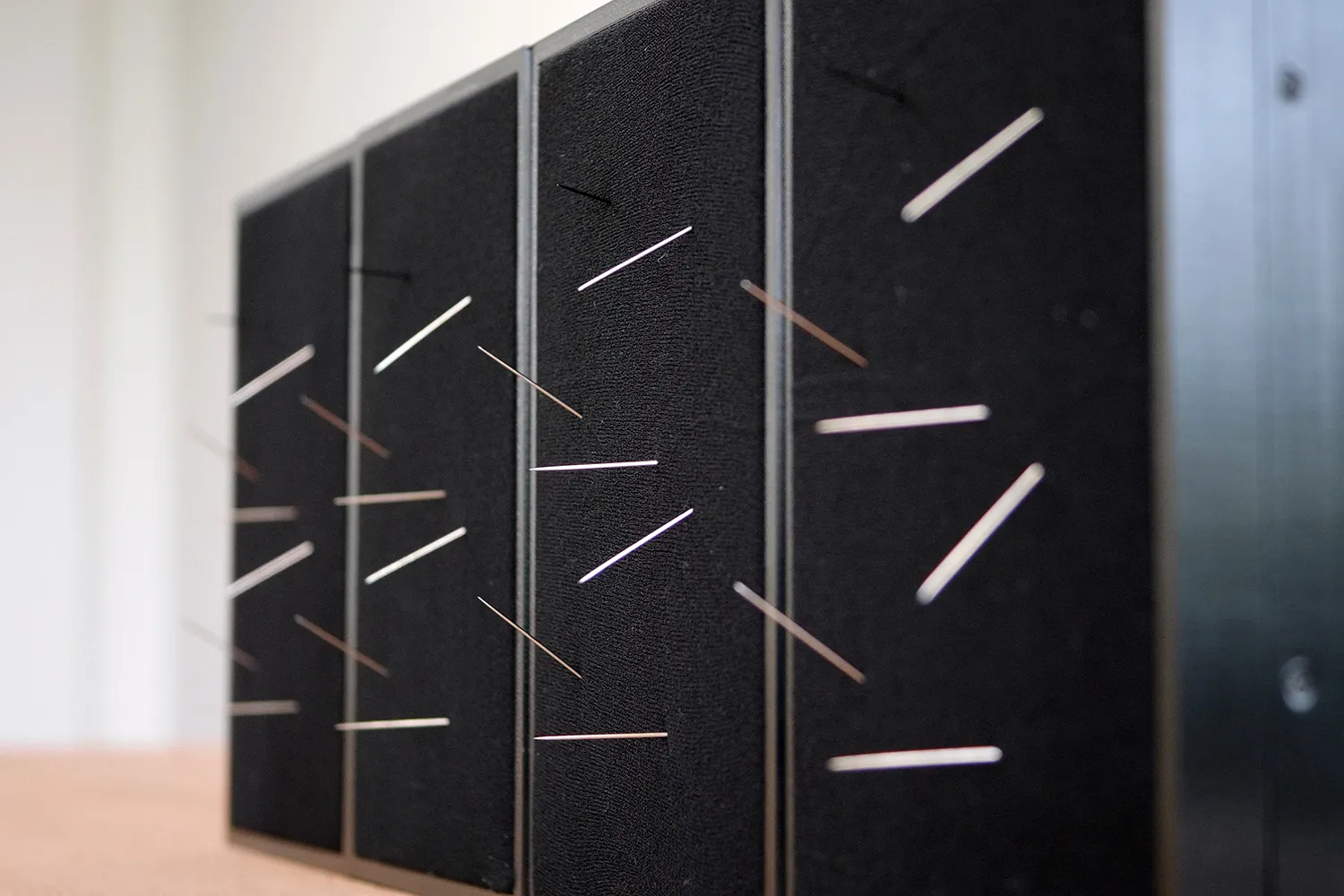
Sasu 28 — Yuichiro Katsumoto

yuichiro-katsumoto-sasu-28-1 (opens in a new tab)

yuichiro-katsumoto-sasu-28-2 (opens in a new tab)

Twenty-eight sewing needles appear and disappear from black knit, imitating a seven-segment display to show the time as kinetic typography.

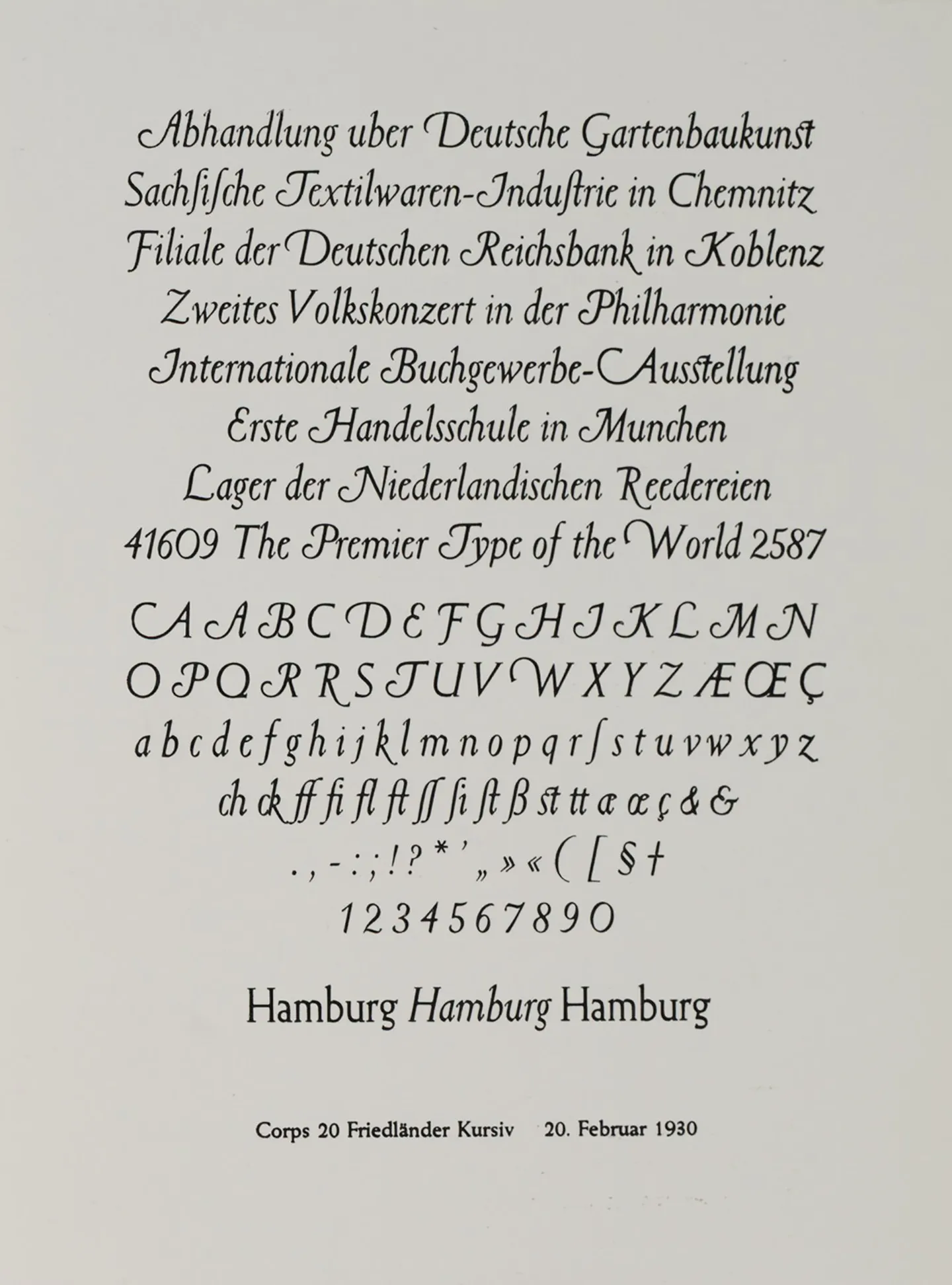
Elizabeth, 1938 — Elizabeth Friedlander

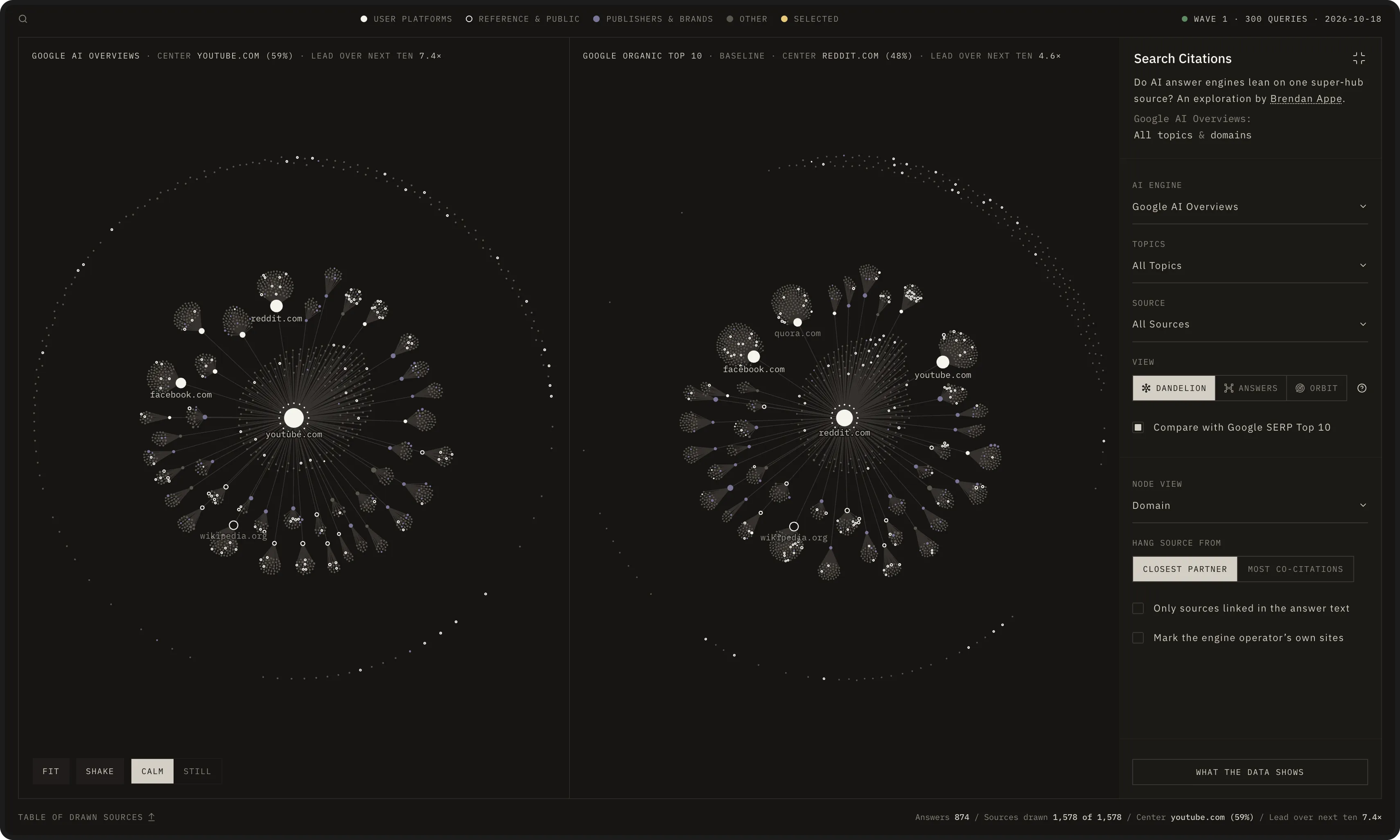
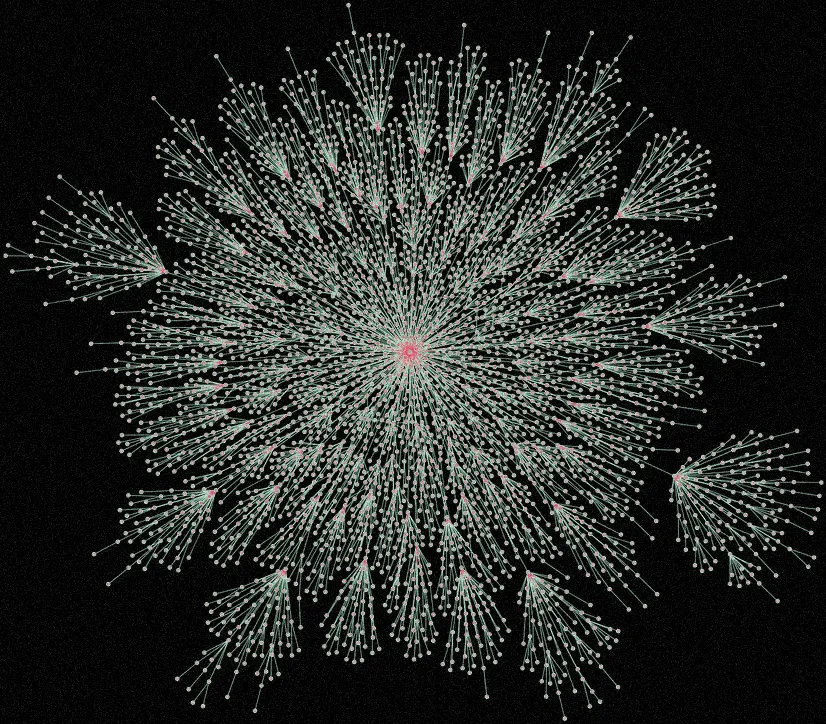
AI Search Dandelion Experiment — Brendan Appe

dandelion-structure (opens in a new tab)

Do AI answer engines lean on one super-hub source?

Dandelion Structure of Eigenvector Preferential Attachment Networks — Vadood Adami, Zahra Ebadi & Morteza Nattagh-Najafi

41598_2024_67896_Fig1_HTML (opens in a new tab)

Picture a playground where new kids keep arriving, and each new kid picks someone to befriend. The 1999 Barabási–Albert model says new kids pick whoever already has the most friends. Popular kids get more popular. You end up with several big hubs, a lot of medium ones, and a long tail of kids with one or two friends. This pattern shows up in the web, citations, and social networks.

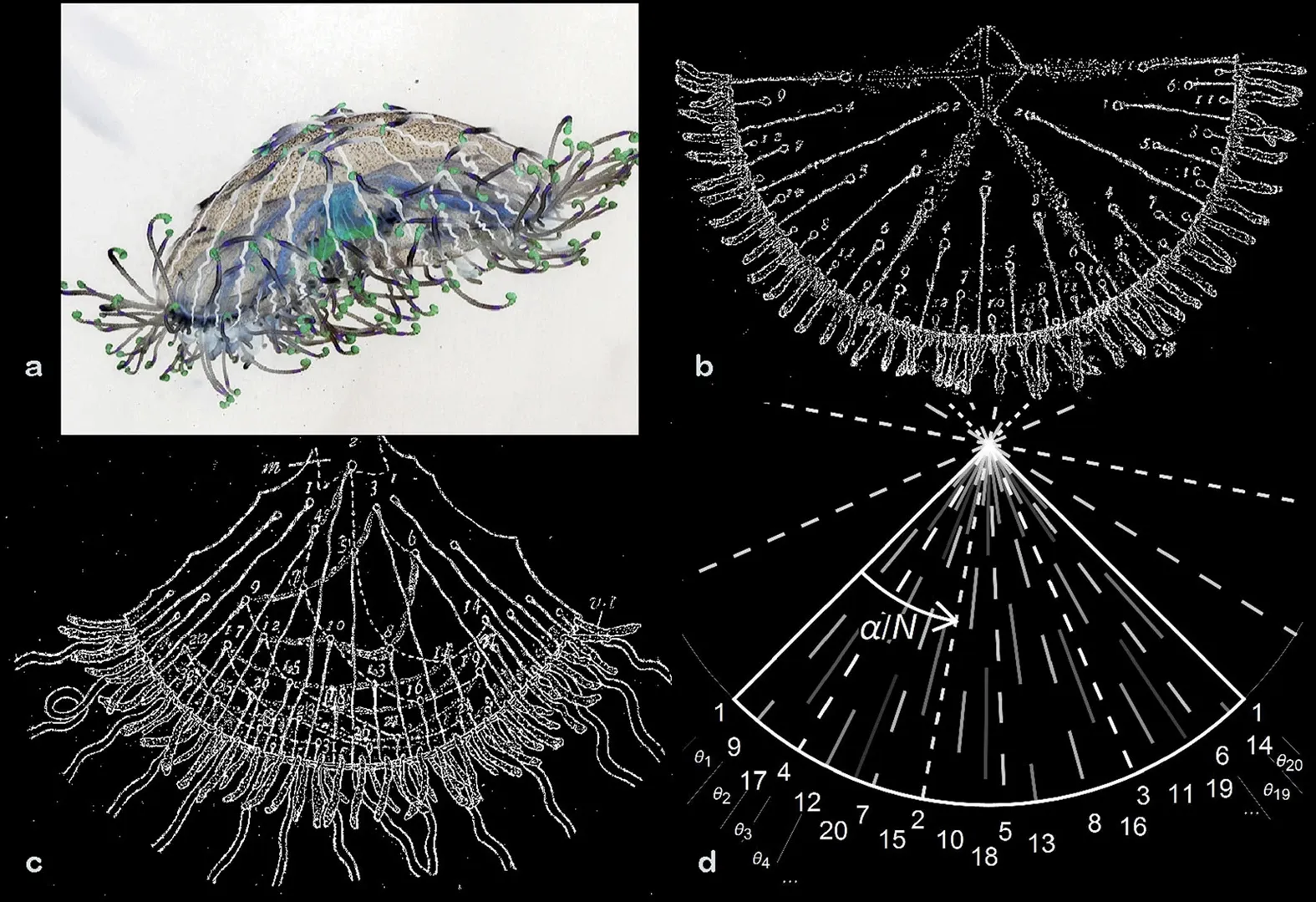
Optimal hash arrangement of tentacles in jellyfish, 2016 — Takuya Okabe & Jin Yoshimura

JellyFish (opens in a new tab)

Tentacles of jellyfish are arranged in accordance with a mathematical rule.