SEPTEMBER 2026

Words that have not lost their meaning

Big Tech is full of silly (bullshit) hot takes these days. You only need to spend a few minutes on LinkedIn or X to be absolutely steeping in it. One (of many) issues I have is the tenacity many leaders, influencers, and practitioners have to use, abuse, and misuse certain words.

Here are some the technocracy seems especially determined to redefine and undermine.
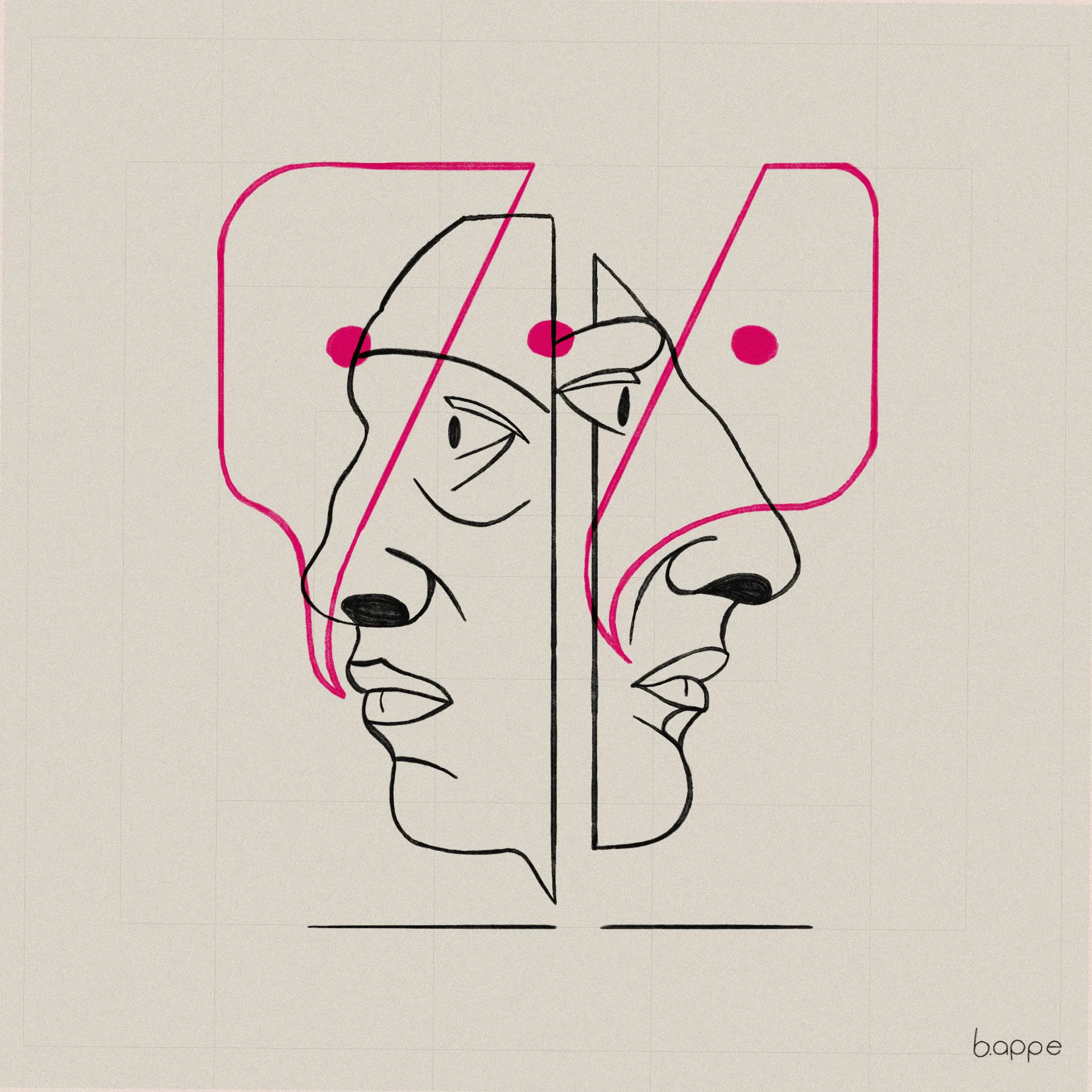
Meaning

Taste
Taste is a credentialing mechanism. It reproduces and reinforces existing power. It’s a rubric distributed through infrastructure and controlled by those who already hold social capital. It’s used to distinguish, divide, and sort the credentialed from the uncredentialed regardless of the underlying merit of the work being judged. Claiming taste is the differentiator in an age of commoditized creation is the rubric describing itself as merit.

Slop
Slop is machine-generated output that mimics human expression. It is slop by definition, independent of quality. An AI song might get millions of plays, but it’s still slop. The term marks the absence of a real live person behind the work, who cares about the work. Not the work’s technical execution.

Psychosis
Psychosis is a mental state marked by a disconnection or loss of contact with reality, where a person has trouble telling what is real from what is not. It is a collection of symptoms, not a standalone mental illness. Calling a critique “psychosis” lets its user skip right on past the argument and diagnose the person. Dismissing the environmental impact of data centers as anti-AI psychosis is precisely that move.

The capitalist technocracy will attempt to claim, redefine, and regurgitate words without acknowledgement or respect for the people, places, and past from which they originated and evolved from.
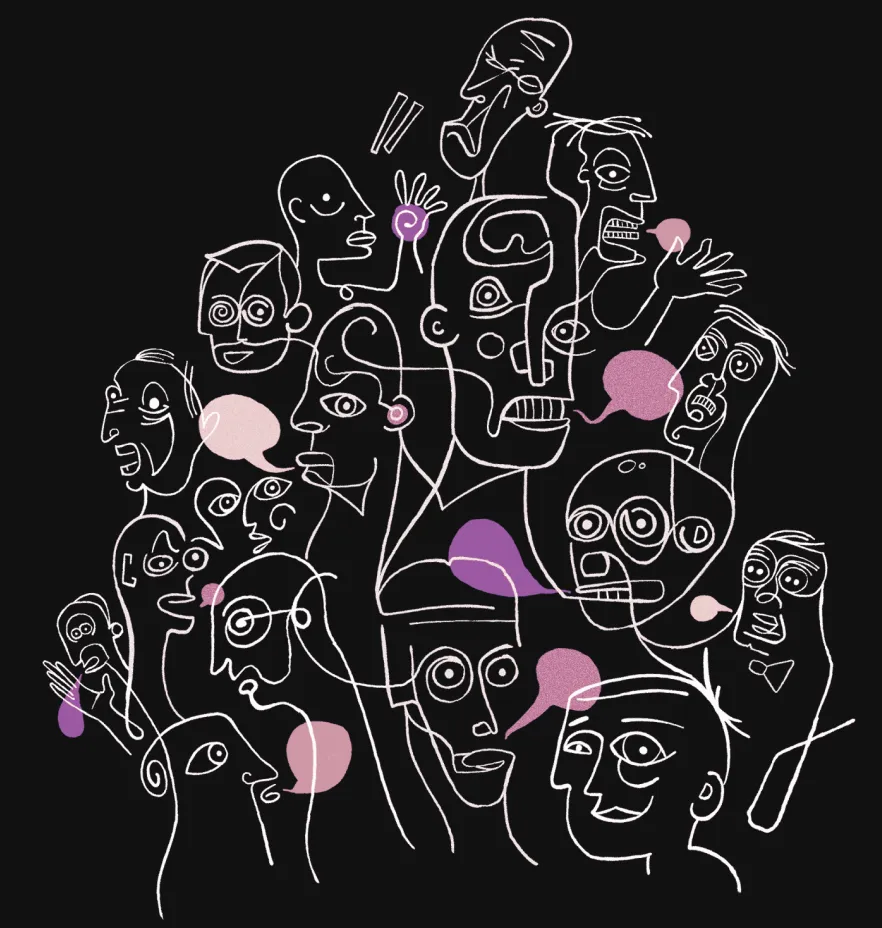
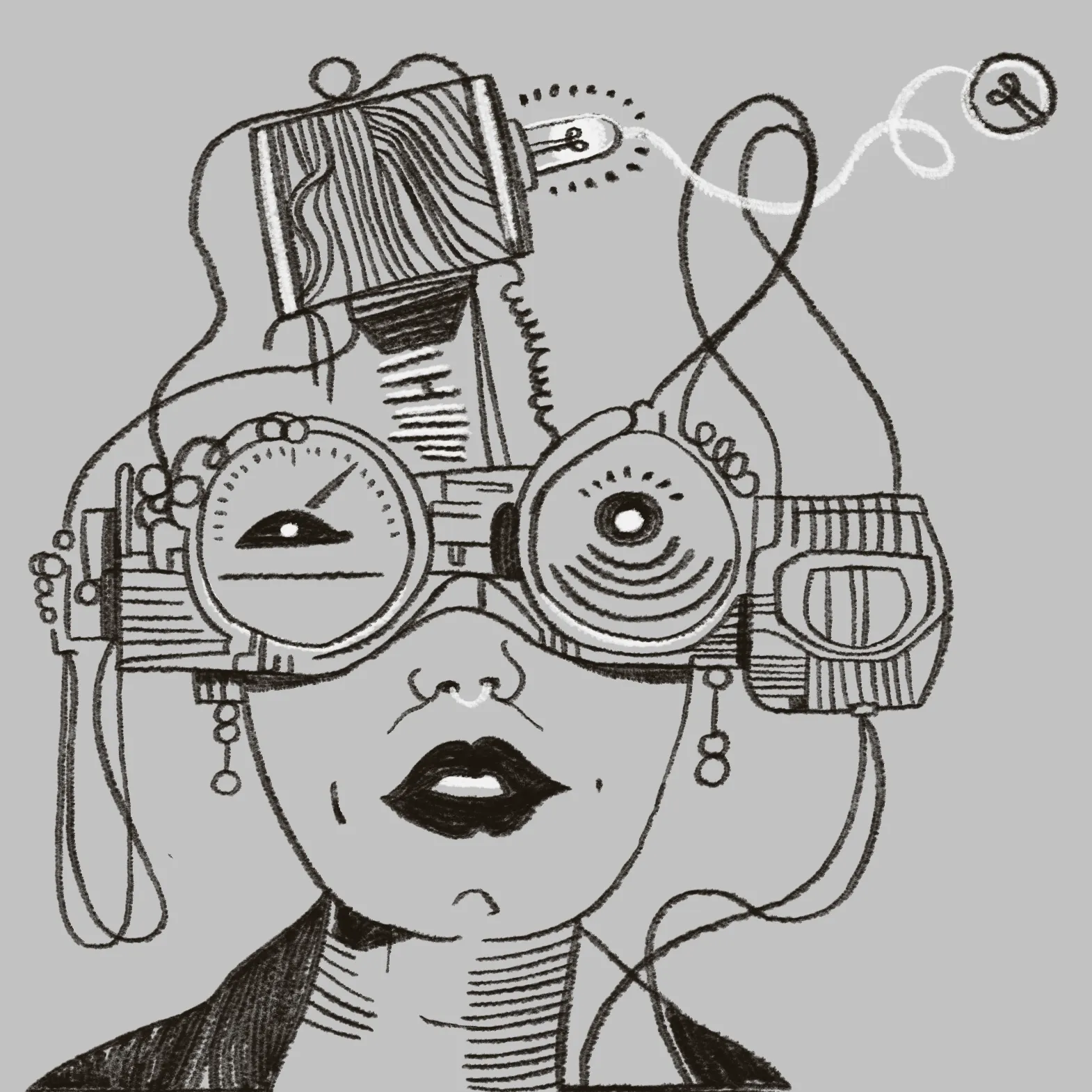
Anti-AI psychosis is not a real form of psychosis.

There is no clinical or research evidence to support its existence.

AI psychosis is also not a recognized clinical diagnosis. But there is a small and growing body of literature showing that people with no history of psychosis can develop delusional thinking during immersive, extended chatbot use.

The British Journal of Psychiatry has published a framework on harm reduction. Psychiatric Times has urged clinicians to ask about AI use at intake and document it like substance use.

Anti-AI psychosis has none of that underneath it. No case reports, no clinicians describing a pattern in patients. What it has is the word “psychosis,” borrowed from a term that earned it, so the two sound like a matched pair. That borrowed symmetry is a trick.

Discourse

I know some of this because my wife is a clinical psychiatrist in a tech-saturated regions of the country. I know the rest because I work at Microsoft AI, designing ads experiences for AI search products. A lot of my job is arguing for a version where the ad doesn’t hijack the conversation, but that I have to make that argument is the point. When someone says AI is going to be monetized irresponsibly, I don’t hear psychosis. I hear the fight I’m already in day-to-day.

Don’t let AI boosters weaponize the term. Whatever the intent, the effect is twofold: it trivializes people living with actual symptoms of psychosis, and it lets boosters skip the argument and diagnose the person instead.

Job displacement, anger at how the tools are being built, predatory monetization: these are valid claims, and they deserve answers. “You’re psychotic” is not one.

JUNE 2026

Per Ad Astra

The problem is not the thing that is big, but bigness itself.

Leopold Kohr

A short rambling:

If a government becomes oppressive, people can feel the oppression (either on their minds, or on their bodies).

If a corporation exploits you, there’s often a transaction you can examine.

But if the tools you use to reason with are subtly tilted you may never develop the outside vantage point needed to notice.

The influence works precisely by becoming indistinguishable from your own cognition.

Untitled 70

A Reminder

The temptation when writing about your own bottoming-out is to either dramatize it or apologize for it.

Don’t do either. Keep not doing either.

MAY 2026

Beginning

In November of 2018 I moved into a fourth-floor penthouse apartment in Somerville’s Union Square. I was alone.

I had been living with my on again off again partner for the several years prior.

We had met my sophomore year of University. That was 2007 in Hamden, Connecticut. I was 20 years old.

Over a decade later and I’d decided it was time to split and fall farther – and harder – than I had before. And I’d fallen many times.

So I moved on my own. I had just been promoted to an Associate Design Director at IBM.

At 31 it finally felt like a good time to really bottom out. I could finally afford it.